MSMEs Seek Simpler, Growth-Oriented GST Framework: Deloitte Survey
Updated: Jun 29, 2026 12:53:45pm

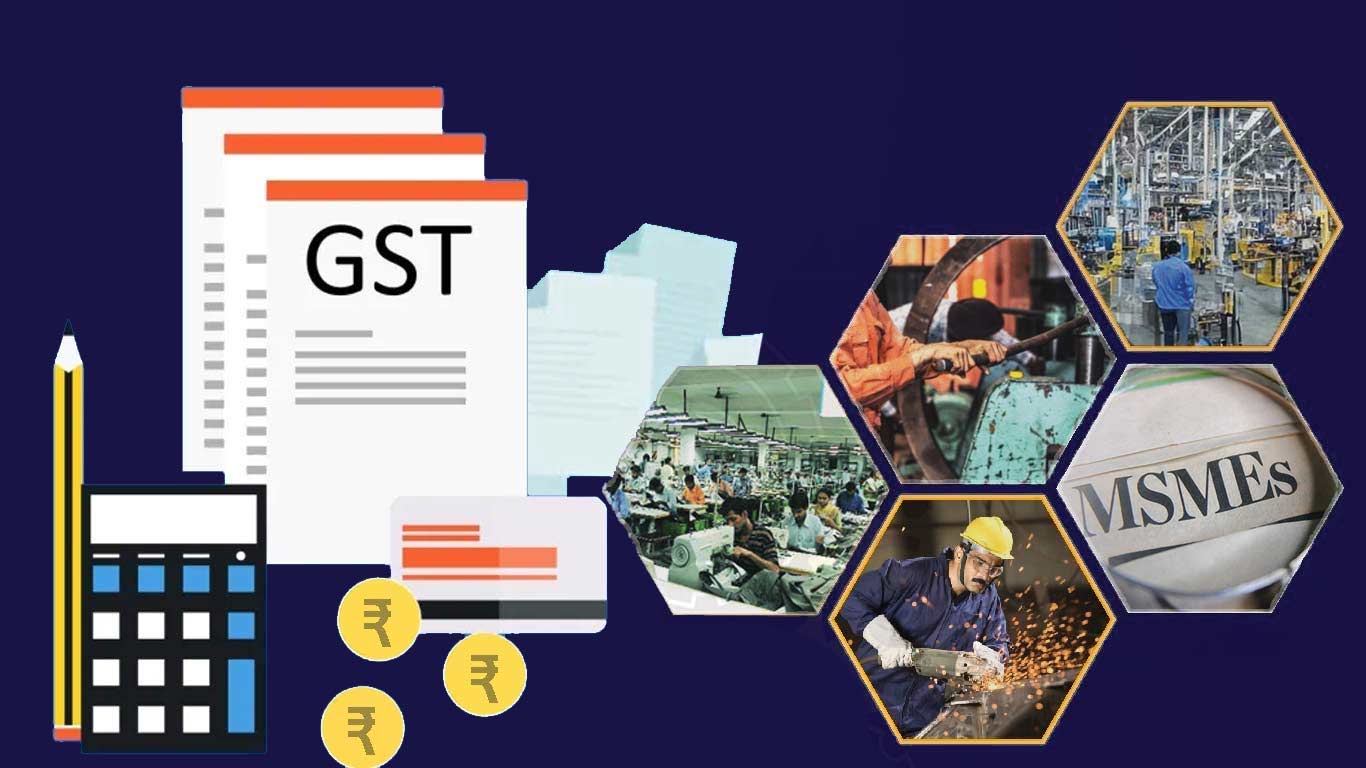
MSMEs Seek Simpler, Growth-Oriented GST Framework: Deloitte Survey
New Delhi, Jun 29 (KNN) Micro, small and medium enterprises (MSMEs) are seeking the next phase of Goods and Services Tax (GST) reforms to focus on improving liquidity, simplifying compliance and reducing working capital pressures, according to Deloitte India's GST@9 Survey: The Next Phase-GST 2.0.
The survey indicates that MSMEs increasingly view GST as an enabler of formalisation and operational efficiency rather than merely a compliance requirement, with businesses now looking beyond adoption towards optimisation of the tax regime.
Automatic Refund Interest, ITC Reforms Top Industry Priorities
According to the findings, 89 percent of respondents support automatic payment of interest on delayed GST refunds and pre-deposits, while 88 percent favour invoice-based Input Tax Credit (ITC) eligibility. About 87 percent backed quarterly tax payment mechanisms.
Recognition of quarterly return filing as a key GST reform has increased significantly among MSMEs, rising from 12 percent in 2023 to 67 percent in 2026.
Deloitte Calls for Simpler, Business-Friendly GST Framework
Commenting on the findings, Gokul Chaudhri, President, Tax, Deloitte South Asia, said GST has played a crucial role in creating a transparent and formal business ecosystem for MSMEs, which contribute around one-third of India's economic output and nearly half of its exports.
He said the next phase of reforms should focus on improving refund mechanisms, simplifying ITC provisions and enabling seamless utilisation of tax credits to enhance business efficiency and liquidity.
MSMEs Flag Inverted Duty Structure as Key Liquidity Challenge
The survey also highlighted concerns over working capital constraints arising from inverted duty structures.
Nearly 69 percent of respondents supported expanding the inverted duty refund framework to cover input services and capital goods, while 63 percent favoured further GST rate rationalisation to reduce inversion-related inefficiencies.
Additionally, 51 percent of MSMEs advocated year-end refunds of accumulated ITC balances, while 49 percent supported the introduction of provisional refunds for earlier tax periods.
Industry Backs Centralised Audit and Structural GST Reforms
Mahesh Jaising, Indirect Tax Leader, Deloitte South Asia, said addressing liquidity challenges arising from inverted duty structures would help strengthen MSME competitiveness and improve ease of doing business.
The survey also found strong support for broader structural reforms. Around 72 percent of respondents favoured a centralised GST audit mechanism, 70 percent supported allowing Reverse Charge Mechanism (RCM) liabilities to be discharged through ITC, and 64 percent called for a simpler GST rate structure with targeted exemptions.
According to Deloitte, the next phase of GST reforms presents an opportunity to build a simpler, more predictable and growth-oriented tax framework that enables MSMEs to expand operations, invest and strengthen their contribution to India's long-term economic growth.
(KNN Bureau)





 Loading...