UPI's Digital Trail Could Help MSMEs Access Credit, Improve Business Decisions: Assam CM
Updated: Aug 26, 2026 01:54:58pm

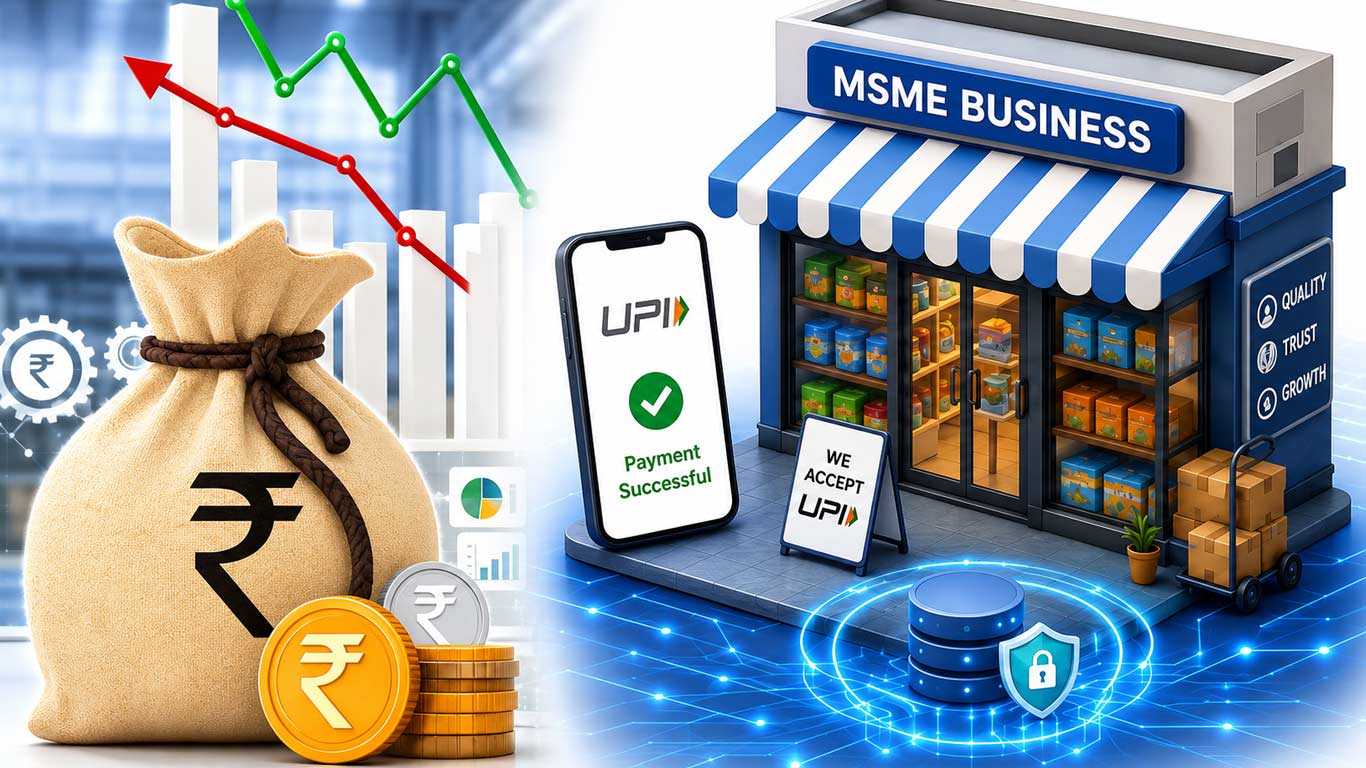
UPI's Digital Trail Could Help MSMEs Access Credit, Improve Business Decisions: Assam CM
Dispur, Aug 26 (KNN) Assam Chief Minister Himanta Biswa Sarma has highlighted the productivity gains delivered by the Unified Payments Interface (UPI) to India's micro and small enterprise ecosystem, saying the digital payments platform has reduced transaction time and eased record-keeping for small businesses.
Marking 10 years of UPI, Sarma described it as one of India's most significant governance and technology interventions of the past 25 years, and called for greater research into its impact on small businesses.
He said street vendors, neighbourhood retailers, rickshaw drivers and other small entrepreneurs have benefited from faster transactions, elimination of the need to provide change and easier record-keeping.
According to Sarma, the time saved across billions of transactions represents a significant productivity gain for enterprises where time is a critical resource, reported ANI.
Digital Trail Could Support Business Growth
Sarma said UPI has also created digital transaction records for micro businesses that may not have the resources to invest in sophisticated enterprise resource planning systems.
He suggested that this digital trail could be leveraged to help small enterprises understand their businesses better, make informed decisions, access formal credit and eventually scale operations.
The Chief Minister called on academic and research institutions to study UPI's impact beyond transaction volumes and values, including man-hours saved, productivity gains and the strengthening of small enterprises.
Sarma also credited Prime Minister Narendra Modi's government with building digital public infrastructure at population scale through a whole-of-government approach.
UPI Transaction Volumes Surge
UPI was launched on August 25, 2016, by the National Payments Corporation of India (NPCI) under the regulatory oversight of the Reserve Bank of India (RBI).
A pilot launch took place in April 2016 with 21 member banks, followed by a public rollout in August. The BHIM application was launched in December 2016.
According to the Union Finance Ministry, annual UPI transactions increased from 1.78 crore in FY17 to more than 24,162 crore in FY26, representing an almost 13,000-fold increase.
Transaction value rose from Rs 0.07 lakh crore in FY17 to around Rs 314 lakh crore in FY26, an increase of more than 4,000 times.
UPI is currently accepted in 11 countries, with Greece and the Maldives among the latest countries to adopt India's real-time payments platform.
(KNN Bureau)








 Loading...