No Prepayment Charges on Floating Rate Loans for MSEs: RBI
Updated: Feb 17, 2026 07:10:18pm


No Prepayment Charges on Floating Rate Loans for MSEs: RBI
Mumbai, Feb 17 (KNN) In a major relief for micro and small enterprises (MSEs), the Reserve Bank of India (RBI) has reiterated that banks and other regulated entities cannot levy prepayment or foreclosure charges on floating rate loans availed by MSEs.
The RBI has also mandated that the applicability of prepayment charges must be clearly disclosed in the sanction letter, loan agreement and Key Facts Statement, ensuring greater transparency for borrowers.
The clarification came during the RBI Governor Sanjay Malhotra’s meeting with MSME associations in Mumbai where Banking and Finance Committee Chairman of Federation of Indian Micro and Small and Medium Enterprises (FISME) Neeraj Kedia raised the industry concern that certain banks were still imposing prepayment charges.
Governor Sanjay Malhotra has asked MSME associations to inform their members about the development.
With the much-needed clarification, a long-standing concern of the MSME sector is now settled. Small businesses often complain of banks levying foreclosure charges while repaying loans or shifting to other lenders offering better terms.
The latest instruction is in line with the Reserve Bank of India (Pre-payment Charges on Loans) Directions, 2025, issued to eliminate restrictive practices that prevent borrowers from switching lenders.
The central bank had earlier observed that divergent practices among regulated entities lead to customer grievances and also discourage competitive pricing in credit markets.
The RBI (Pre-payment Charges on Loans) Directions 2025 prevent commercial banks, large NBFCs and financial institutions from levying any prepayment charges on floating rate loans taken for business purposes by individuals and MSEs.
Small Finance Banks, Regional Rural Banks and certain cooperative banks are also barred from levying such charges on loans up to ₹50 lakh.
The provision applies irrespective of the source of funds used for prepayment and without any lock-in period.
The RBI has specified that the Directions will apply to all loans sanctioned or renewed on or after January 1, 2026.
FISME Secretary General Anil Bhardwaj who also participated in the meeting with the RBI Governor welcomed the development, noting that the move would enhance credit mobility, improve bargaining power of MSMEs and enable them to refinance at lower interest rates without penalty—an important step toward reducing the cost of formal credit for the sector.
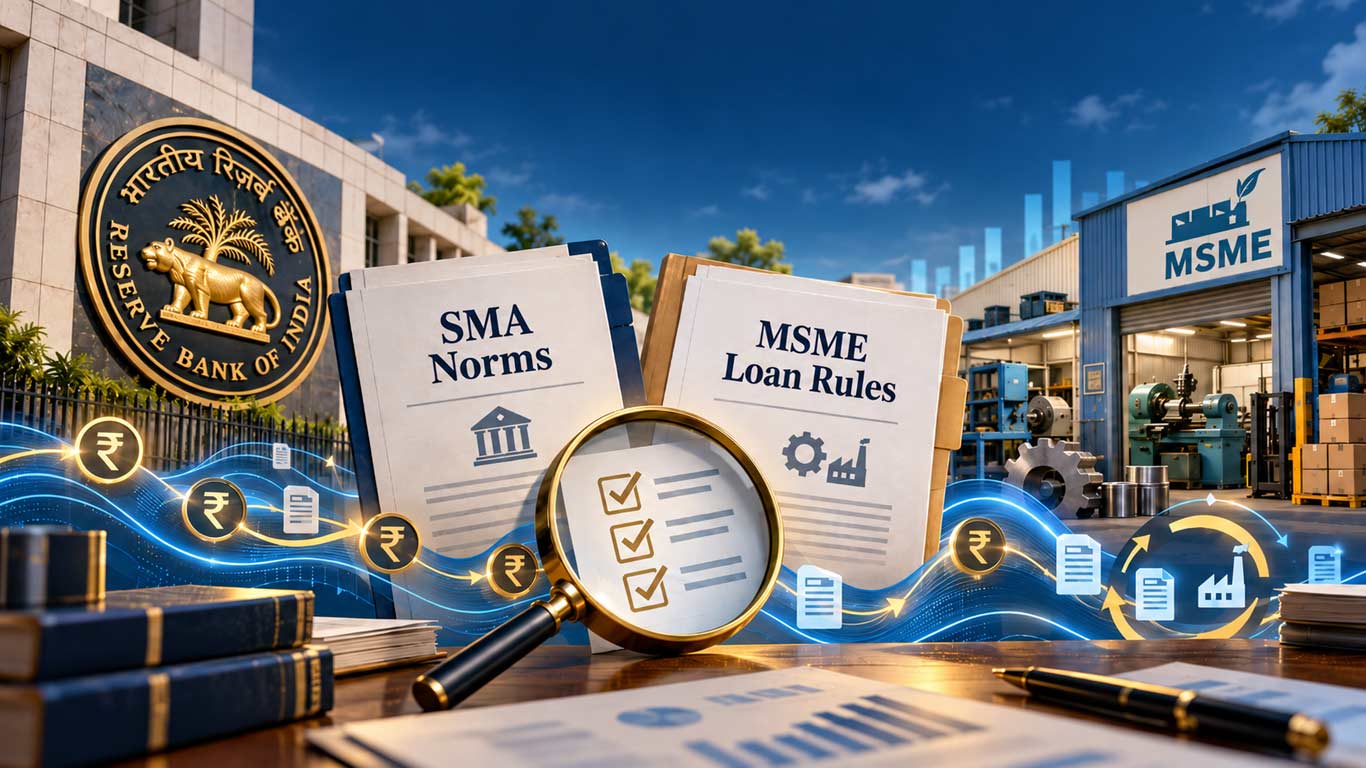
The interaction between the RBI and MSME bodies in Mumbai also covered other structural issues such as the SMA (special mention account) framework, interoperability among TReDS platforms and creditMumbai, February 17 (KNN) In a major relief for micro and small enterprises (MSEs), the Reserve Bank of India (RBI) has reiterated that banks and other regulated entities cannot levy prepayment or foreclosure charges on floating rate loans availed by MSEs.
The RBI has also mandated that the applicability of prepayment charges must be clearly disclosed in the sanction letter, loan agreement and Key Facts Statement, ensuring greater transparency for borrowers.
The clarification came during the RBI Governor Sanjay Malhotra’s meeting with MSME associations in Mumbai where Banking and Finance Committee Chairman of Federation of Indian Micro and Small and Medium Enterprises (FISME) Neeraj Kedia raised the industry concern that certain banks were still imposing prepayment charges.
Governor Sanjay Malhotra has asked MSME associations to inform their members about the development.
With the much-needed clarification, a long-standing concern of the MSME sector is now settled. Small businesses often complain of banks levying foreclosure charges while repaying loans or shifting to other lenders offering better terms.
The latest instruction is in line with the Reserve Bank of India (Pre-payment Charges on Loans) Directions, 2025, issued to eliminate restrictive practices that prevent borrowers from switching lenders.
The central bank had earlier observed that divergent practices among regulated entities lead to customer grievances and also discourage competitive pricing in credit markets.
The RBI (Pre-payment Charges on Loans) Directions 2025 prevent commercial banks, large NBFCs and financial institutions from levying any prepayment charges on floating rate loans taken for business purposes by individuals and MSEs.
Small Finance Banks, Regional Rural Banks and certain cooperative banks are also barred from levying such charges on loans up to ₹50 lakh.
The provision applies irrespective of the source of funds used for prepayment and without any lock-in period.
The RBI has specified that the Directions will apply to all loans sanctioned or renewed on or after January 1, 2026.
FISME Secretary General Anil Bhardwaj who also participated in the meeting with the RBI Governor welcomed the development, noting that the move would enhance credit mobility, improve bargaining power of MSMEs and enable them to refinance at lower interest rates without penalty—an important step toward reducing the cost of formal credit for the sector.
The interaction between the RBI and MSME bodies in Mumbai also covered other structural issues such as the SMA (special mention account) framework, interoperability among TReDS platforms and credit information rigidities, with the Governor indicating openness to further dialogue. information rigidities, with the Governor indicating openness to further dialogue.
(KNN Bureau)









 Loading...