Methane Mitigation Key As India Can Cut 87% Of Coking Coal Emissions At Low Cost: IEEFA Report
Updated: Jul 31, 2026 04:14:17pm

Methane Mitigation Key As India Can Cut 87% Of Coking Coal Emissions At Low Cost: IEEFA Report
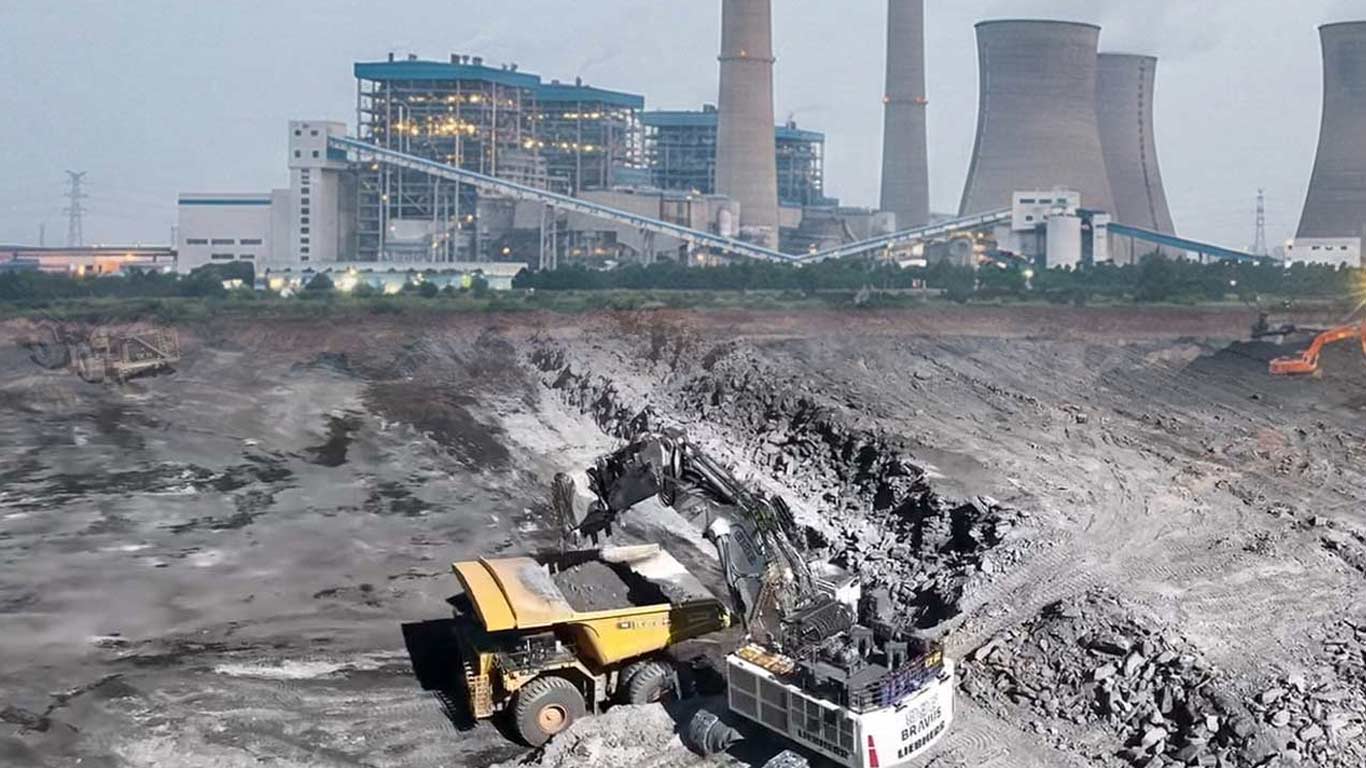
New Delhi, Jul 31 (KNN) There is an urgent need to integrate methane mitigation strategies into India’s expanding coking coal sector as the country seeks to reduce import dependence and boost domestic production, according to a report by the Institute for Energy Economics and Financial Analysis (IEEFA).
The study, which examined 30 coking coal mines, found that just seven mines account for nearly 81 per cent of total methane emissions—estimated at 138.3 kilotonnes annually. It noted that up to 105 kilotonnes of these emissions could be reduced using existing abatement technologies.
Policy and Planning More Crucial Than Costs
The study emphasises that policy frameworks, mine planning, and regulatory support are more critical barriers than technology or cost. It estimates that about 87 per cent of methane emissions from coking coal mines can be mitigated at a cost below USD 20 per tonne of CO₂ equivalent—consistent with global benchmarks.
Study’s co-author Saumya Nautiyal said, “This is in line with global estimates from the International Energy Agency (IEA), demonstrating that costs should not be a barrier to methane mitigation.”
Methane: A Critical Climate Challenge
While India’s climate policies have largely focused on carbon dioxide, methane is emerging as a significant and under-addressed concern. A potent greenhouse gas with a shorter atmospheric lifespan, methane has a disproportionately high impact on near-term global warming.
According to the Global Methane Tracker 2026 by the International Energy Agency, India’s coking coal mining emitted approximately 234.7 kilotonnes of methane in 2025. The methane intensity of coking coal mining was found to be 50 per cent higher than that of thermal coal.
Jharkhand Identified as Key Region
The report points out that most high-emitting mines are concentrated in the eastern state of Jharkhand, making it a priority region for targeted mitigation efforts.
The study’s Co-author Purva Jain noted, “This situation supports a phased mitigation roadmap that prioritises the highest-emitting mines in the region rather than applying uniform solutions across all coking coal operations in the country.”
Mission Coking Coal Raises Urgency
India’s Mission Coking Coal, launched in 2021, aims to more than double domestic coking coal production by 2030. The report stresses that integrating methane reduction measures into new and expanding mines is essential to limit long-term emissions.
Scope for Methane Utilisation
The report also highlights opportunities to utilise captured methane through coal bed methane (CBM) projects. India currently has 15 operational CBM blocks connected to the national gas grid.
In a notable initiative, Tata Steel piloted the continuous injection of CBM into a blast furnace at its Jamshedpur plant—marking a global first in steelmaking innovation.
Shift Toward Cleaner Steelmaking
To reduce long-term reliance on coking coal, the study recommends scaling up alternative steelmaking technologies such as electric arc furnaces (EAF), scrap-based production, and green hydrogen-based direct reduced iron.
Scrap-based EAF technology uses significantly less coking coal—about 12 kg compared to 770 kg in conventional blast furnaces—offering substantial emissions reduction potential.
The government aims to increase the share of scrap-based steel production to 50 per cent by 2047, up from the current 23 per cent.
(KNN Bureau)





 Loading...