Japanese Delegation to Advance India’s Battery Production Through Technology Sharing
Updated: Jun 18, 2025 04:10:26pm


Japanese Delegation to Advance India’s Battery Production Through Technology Sharing
New Delhi, Jun 18 (KNN) In early July, a high‑level Japanese delegation—comprising senior government officials and industry experts—will visit India to bolster its advanced chemistry cell (ACC) battery manufacturing capabilities.
This visit is part of a bilateral effort to support India’s goal of achieving a 30 GWh of ACC battery production, especially for electric vehicle (EV) applications.
India’s domestic battery industry has made significant strides, aided by partnerships and production-linked incentive (PLI) schemes.
However, some beneficiary firms—specifically Reliance New Energy, Ola Cell Technologies, and Rajesh Exports—have encountered delays in meeting their rollout schedules. Ola Cell, for instance, has currently established only 1.4 GWh of capacity out of its targeted 20 GWh.
The Japanese delegation’s visit is expected to focus on providing technical support to accelerate India’s ACC development. Japan’s strengths lie in pioneering chemical formulations, high-performance cell design, and production processes—expertise that can help India overcome initial operational hurdles.
This collaboration underlines the broader strategic alignment between the two nations. Japan already plays a key role in India’s lithium-ion battery value chain through existing partnerships.
Strengthening this collaboration aligns with India’s push for self-reliance in clean energy technologies and complements government initiatives like the PLI scheme, which offers incentives to local manufacturers achieving certain output thresholds and efficiency standards .
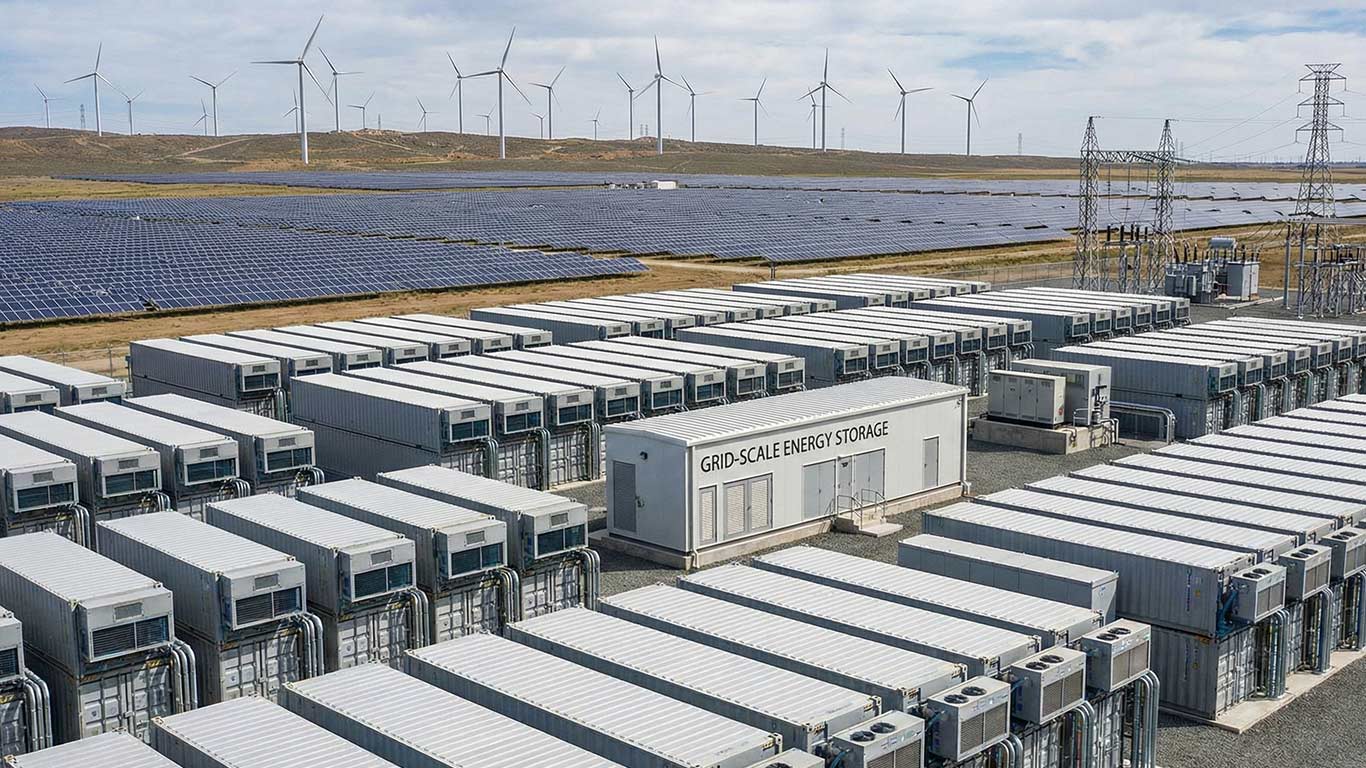
India’s ambition to reach 30 GWh of ACC capacity reflects both growing EV demand and energy-storage needs for grid stabilization and renewable integration.
Japan’s support could help bring advanced production techniques and robust supply‑chain development, speeding India’s transition toward greener mobility and a sustainable clean‑energy ecosystem.
(KNN Bureau)






 Loading...