India's Rs 5,000-Crore Sustainable Steel Strategy Must Address MSME Finance, Technical Gaps: IEEFA
Updated: Aug 20, 2026 12:41:00pm

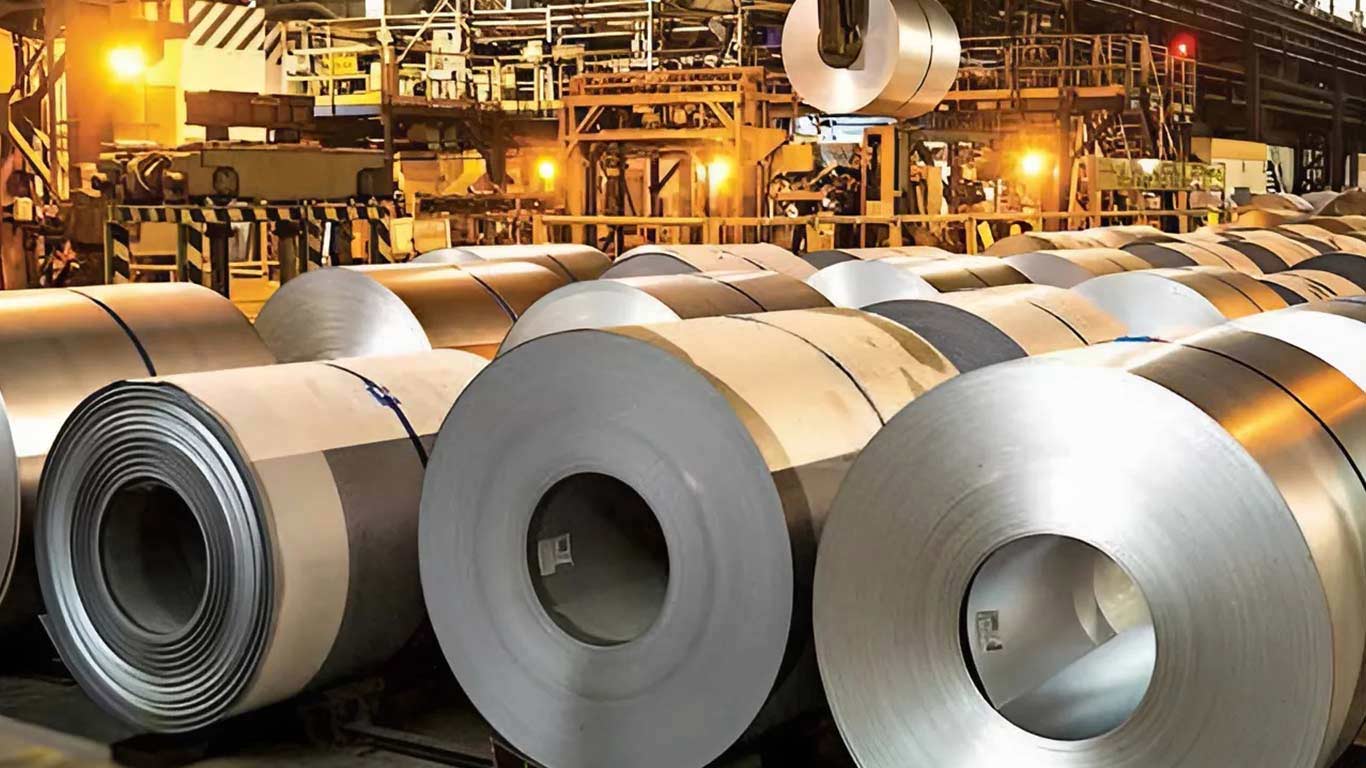
India's Rs 5,000-Crore Sustainable Steel Strategy Must Address MSME Finance, Technical Gaps: IEEFA
New Delhi, Aug 20 (KNN) India’s secondary steel sector, which accounts for around 47 percent of steel production and emits about 50 million tonnes of CO₂ annually, will be crucial to the country’s green steel transition, according to Institute for Energy Economics and Financial Analysis.
The proposed Rs 5,000 crore National Strategy for Sustainable Secondary Steel should draw on lessons from past energy-efficiency programmes targeting steel MSMEs to enable large-scale and sustained decarbonisation.
Previous Programmes Show Energy-Saving Potential
Past programmes showed that energy-efficiency technologies can deliver significant savings, but wider adoption was limited by gaps in project preparation, financing, technical assistance and institutional capacity.
A UNDP-Ministry of Steel project expanded energy-efficient small steel units from 34 to 321 in 30 months, while the UNIDO-GEF-BEE programme supported 603 energy-efficiency and renewable-energy measures across 345 enterprises in 12 MSME clusters.
Financing Remains a Key Barrier
The analysis found that MSMEs often prioritise working capital and expansion over energy-efficiency investments, with adoption improving when such measures were linked to productivity and profitability.
Limited finance, small project sizes, weak credit profiles and complex subsidies also hindered uptake. It recommended targeted support such as project preparation, project aggregation, risk-sharing, longer loan tenures and technology-performance guarantees instead of larger subsidies.
Technical Assistance and Institutional Capacity Needed
Awareness and training alone have not generated enough investment-ready projects, with MSMEs needing support in technology selection, bankable proposals and implementation. Earlier programmes also struggled to sustain networks of auditors, vendors and consultants after funding ended.
International models offer potential solutions, including China’s risk-sharing and bank advisory approach and Latin America’s Energy Savings Insurance model, which combines lending with technical validation, standardised contracts and insurance guarantees.
ADEETIE Offers Implementation Model
The analysis highlighted the ADEETIE scheme, launched in July 2025 across 14 energy-intensive sectors, including steel re-rolling mills. It combines interest subvention with energy audits, bankable project reports, technology selection, capacity building and implementation support for MSMEs.
Measuring Actual Energy Savings Key
Its effectiveness will depend on how outcomes are measured. The analysis recommended assessing the scheme based on energy use, production yield, operational reliability and product quality, rather than just the number of projects supported.
It also suggested tracking actual installations, verified energy savings, repeat lending and the sustainability of local technical-service networks.
Lessons for Sustainable Secondary Steel Strategy
The analysis said lessons from past steel MSME energy-efficiency programmes can guide the proposed National Strategy for Sustainable Secondary Steel.
Addressing gaps in project preparation, financing, implementation support and institutional capacity will be crucial to achieving sustained decarbonisation beyond pilot projects and subsidies.
(KNN Bureau)





 Loading...